Web Development
Top Web Development Company in Noida: Websites That Perform, Not...
 Sapna Kumari
- March 31, 2026


 Isynbus


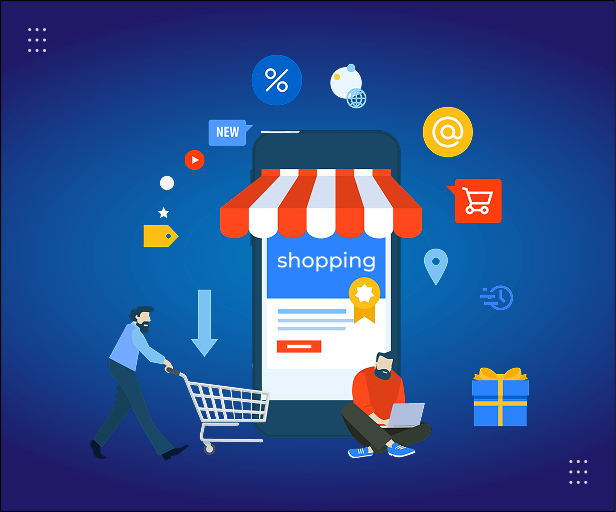
Keeping abreast of new trends in e-commerce app development is crucial for businesses looking to expand in a market. With changing customer behavior and the advancement in technology, features that were considered optional are now a necessity. Being aware of alltrends can assist companies in developing applications that not only appeal to users but also help retain them. These changes can leave even established brands in the dust when they are ignored. When you partner with a reputable eCommerce mobile app development company, you can be sure that your app will remain competitive and in line with the current market needs. By keeping up with the trends, companies can better satisfy user needs, increase retention, and boost sales through mobile platforms.
The e-commerce environment is changing at a very fast pace, and mobile applications have become an essential aspect of the shopping process. With more consumers using their phones to shop, buy groceries, and purchase gadgets, companies are working on making their apps more seamless, intuitive, and engaging. What are the most popular trends in ecommerce app development? Let us find out.
The modern users are not satisfied with a simple online store. They desire customized experiences based on their preferences and behavior. Good ecommerce application development services are using all the available customer data to make product recommendations, modify, and develop personalized offers. Moreover, this degree of customization, whether it is customized home screens or dynamic push notifications, can help increase engagement and conversion rates. It is all about making the user feel understood and appreciated, rather than being bombarded with generic offers.
AR is already having a significant influence on online shopping, particularly in fashion, home decor, and cosmetics. The ability to see products in real-life environments before purchase not only increases customers’ confidence but also decreases the rate of returns. For instance, a furniture-selling app might let users visualize how a sofa would fit in their living room. However, this interactive element makes browsing a more engaging and practical process, which gives online retailers an advantage over their rivals.
The checkout process can make or break a sale. The latest eCommerce applications are making this process easier by allowing various payment methods, including digital wallets. Security is a priority, but convenience is critical. Frictionless checkouts, biometric verification, and one-click payment options are becoming the norm to satisfy the rising user expectations. Apps that provide education on a brand’s environmental activities or carbon footprint are gaining trust and loyalty among conscious consumers.
As the popularity of voice-enabled devices grows, voice search in eCommerce apps is no longer a novelty but a necessity. Customers prefer to talk instead of typing, particularly when they are multitasking. Voice search also enables brands to reach users with accessibility requirements. Apps that embrace this early and do it well will remain ahead of the curve as user behavior continues to move toward hands-free interaction. More consumers are paying attention to where and how their purchases are made.
Customer support is a necessity in the modern online environment where everything is fast-paced. eCommerce apps are increasingly incorporating built-in chat systems that offer real-time support. These are not as simple as FAQ bots; they can understand questions and also assist customers in tracking orders and returns, and even suggest products based on browsing history. Smart virtual assistants maintain user engagement and minimize customer service expenses and wait times, resulting in efficient and smooth experiences.
Customers tend to switch between devices and platforms before making a purchase. The best eCommerce apps are being tailored to move in unison with the websites, physical stores (where applicable), social media pages, and even email campaigns of the brand. They will be able to pick up where they left off by adding an item to their cart. Whether they were in the stores or not. This common experience creates brand faith and enhances overall retention. These interactive rewards create an addictive feeling to shopping, which makes customers spend more time in the app, and buy more often- without feeling pressured.
Simple is best-selling in a crowded market. Users like well-structured, easy-to-use, and attractive apps. Moreover, the new emphasis of developers is on decluttered design, precise typography, and simple navigation. The intention is to minimize stress from discovery to checkout. Besides simplicity, another way to enhance usability is with a smooth, easy-to-use interface that will make users spend more time in the app without getting frustrated. An efficient delivery process will reinforce customer confidence and lead to subsequent orders.
To sum up, knowledge of eCommerce app development trends is not only helpful but essential to remain competitive. The features, design, and performance of your mobile store must change as customer preferences change. Companies that are mindful of these changes can provide superior user experiences, enhance loyalty, and drive more conversions. Moreover, trustworthy eCommerce application development services help companies create applications that meet all the contemporary demands and market changes. To be successful in the digital market, it is essential to be informed and flexible.

Get the latest insights, updates, and trends delivered to your inbox.